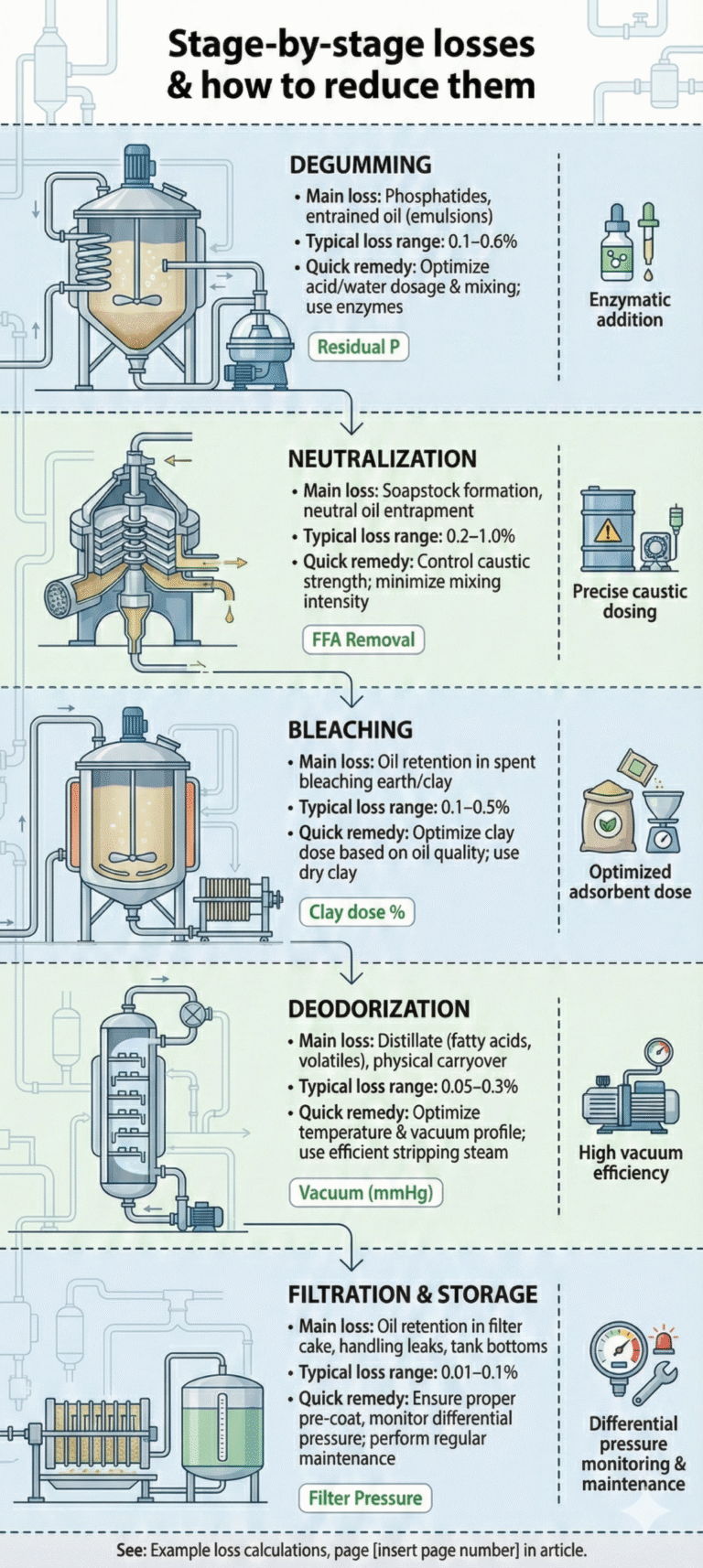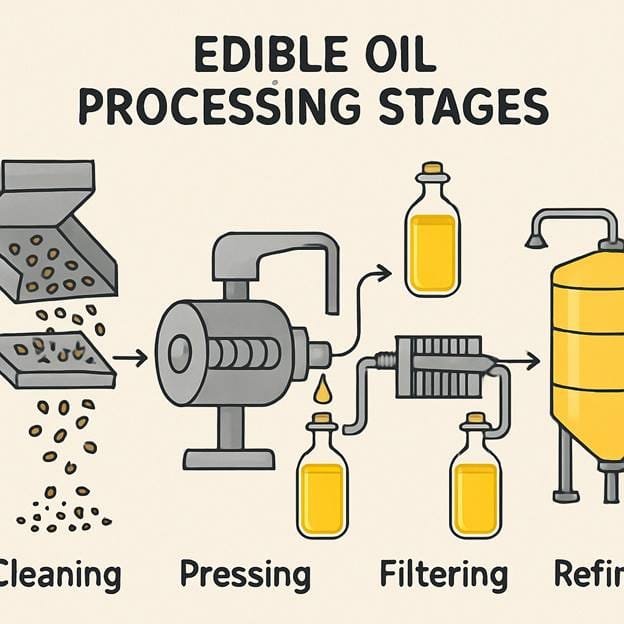


How to Reduce Neutralization Bleaching Losses:
How to reduce neutralization bleaching losses in oils is a significant concern in the oil refining industry.
Thank you for reading this post, don't forget to subscribe!These losses impact both the yield and quality of the final product.
Understanding how to reduce these losses is crucial for refining efficiency.
The neutralization process is a key step in oil refining. It involves removing free
fatty acids from crude oil.
This is typically done with an alkali solution, such as sodium hydroxide.
Bleaching follows neutralization. It removes color pigments, oxidation products, and trace metals. This step uses adsorbent materials such as bleaching earth.
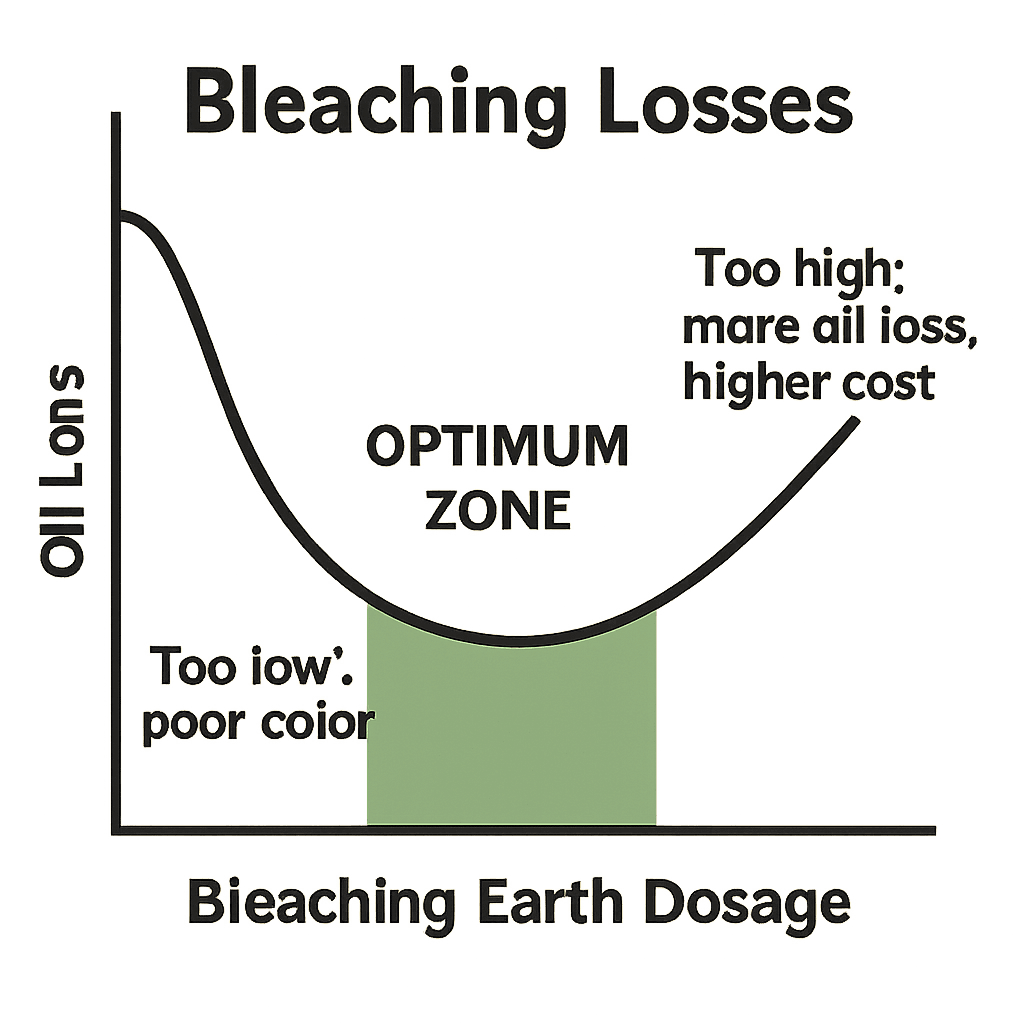
Excessive use of bleaching earth can lead to higher oil losses. Therefore,
Optimizing the amount used is essential.
Proper temperature control during neutralization can also minimize losses.
The quality of crude oil plays a significant role; higher-quality crude results in fewer losses. Implementing advanced oil refining methods can further reduce the need for chemical processes.
This guide will explore strategies to reduce neutralization bleaching losses. It will provide practical tips and insights into refining methods.
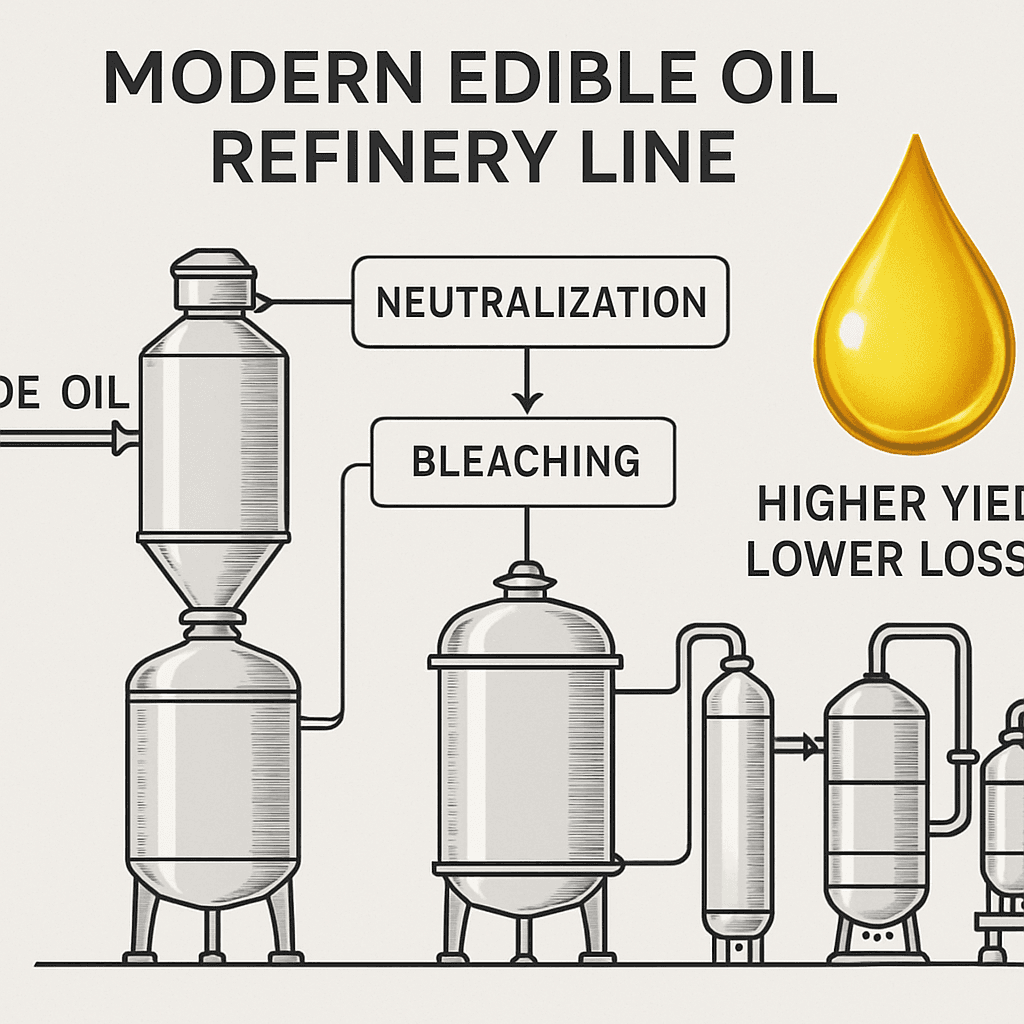
Understanding How to Reduce Neutralization Bleaching Losses:
Neutralization bleaching losses occur during oil refining processes. These losses
reduce the yield and quality of edible oils. Understanding the causes is essential
for refining improvement.
Several factors contribute to these losses. Free fatty acids in crude oil are primarily responsible. They are removed during the neutralization process, but can still contain some oil.
The bleaching stage also significantly impacts losses. Adsorbents such as bleaching earth trap unwanted particles. Using excessive adsorbents can inadvertently absorb some of the oil.
Several key points are crucial in understanding these losses:
- Free fatty acid removal is vital in the neutralization process.
- The choice of adsorbent material affects bleaching results.
- Process conditions, such as temperature and pH, need to be controlled.
Refiners aim to balance the removal of impurities with maintaining maximum oil yield. Losses can be minimized by optimizing both the neutralization and
bleaching processes. Understanding these steps improves refining efficiency
and the quality of the final product.
Technical advancements in refining technology provide additional solutions.
Real-time monitoring and analytics provide insights into loss-reduction strategies. By focusing on these factors, refiners can make informed decisions that enhance oil quality and sustainability.
The Neutralization Process: Key Factors Affecting Losses.
The neutralization process is vital in oil refining, as it removes free fatty acids from crude oil.
This removal occurs via reaction with an alkali, such as sodium hydroxide.
Understanding key factors in this process helps reduce losses.
One crucial aspect is temperature control during neutralization. Extreme temperatures can cause excessive oil loss, which can
affect yield.
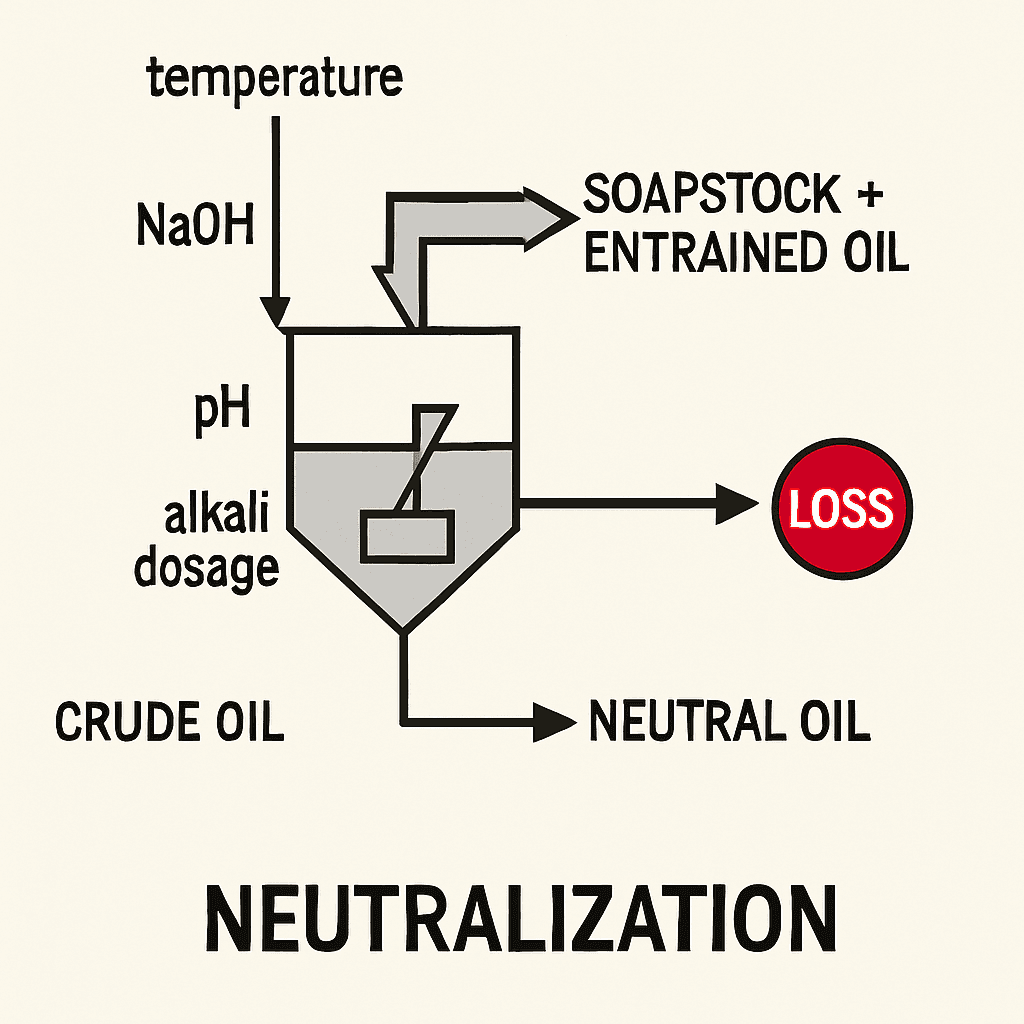
Maintaining optimal temperatures is therefore essential for minimizing these
losses.
pH levels also play a significant role. The process’s efficiency relates closely to
maintaining proper pH, which ensures effective neutralization while preventing
unnecessary oil loss.
Other key factors include:
- The quality of crude oil used in refining.
- The concentration of the alkali solution applied.
- The reaction time allotted for the neutralization process.
High-quality crude oil requires less neutralization, leading to fewer losses. Careful selection and use of alkali
concentration is essential to avoid saponification beyond the targeted free fatty acids.
Equipment technology significantly affects loss outcomes. Modern machinery
allows more precise process control. This precision helps reduce losses by ensuring consistency.
In conclusion, understanding and optimizing these key factors can significantly
enhance oil refining efficiency.
By doing so, refiners not only reduce neutralization bleaching losses but also
improve overall productivity and sustainability. Implementing these insights enables significant gains in process refinement.
Bleaching in Oil Refining: Mechanisms and Loss Contributors:
Bleaching in oil refining involves removing impurities such as pigments and
oxidation products. This step is crucial for achieving the desired oil quality.
Adsorbent materials, such as bleaching earth, are commonly used in this process and play a vital role in impurity adsorption.
Excessive use of adsorbents, however, can result in considerable oil losses.
Optimizing the amount of bleaching earth is essential to minimize these losses.
Using just the right amount helps balance impurity removal and yield retention.
Several factors contribute to losses during bleaching:
- Excessive adsorbent usage
- Poor quality of bleaching earth
- Inadequate control over processing conditions
 by Pawel Czerwinski (https://unsplash.com/@pawel_czerwinski)
The quality of bleaching earth directly affects oil loss levels. Low-quality adsorbents require higher quantities to achieve the desired effect, leading to increased losses. Thus, selecting high-quality materials is key to efficient refining.
Careful control of temperature and contact time during bleaching can also minimize losses. Consistency in temperature ensures
efficient impurity removal without excessive adsorbent use.
Implementing real-time monitoring during bleaching helps understand impurity levels and adjust adsorbent usage accordingly. This adjustment ensures efficiency and
reduces unnecessary losses.
In summary, recognizing and managing these contributors helps reduce bleaching-related losses. By implementing these strategies, refiners can achieve higher
yields while maintaining quality, enhancing both process efficiency and sustainability.
Common Oil Refining Methods and Their Impact on Losses
Oil refining can utilize various methods, each with distinct impacts on losses.
Chemical refining and physical refining are the two primary methods employed. Both approaches aim to remove impurities and improve oil quality, but they
differ in their processes.
Chemical refining involves the neutralization process, where alkali neutralizes
free fatty acids. This step, while effective, can lead to higher bleaching losses if
not optimized. Physical refining, on the other hand, relies on distillation to
remove free fatty acids. This method can reduce the need for chemical
treatments, potentially lowering losses.
Key differences in refining methods:
- Chemical refining uses alkali neutralization.
- Physical refining utilizes distillation.
- Each method impacts bleaching losses differently.
 by Henk Hommes (https://unsplash.com/@zebosenior)
Integrating refining methods can sometimes offer advantages. A combined
approach can address specific issues inherent to each technique, offering better
control over losses. Adapting methods based on the quality of crude oil can further
optimize results.
Choosing the appropriate refining method involves considering the quality of raw materials. High-quality crude may benefit more from physical refining, reducing chemical
intervention and minimizing losses. Evaluating these factors helps refiners select the
most efficient method for their specific needs, ultimately improving yields and
reducing wastage.
Optimizing How to Reduce Neutralization Bleaching Losses:
Optimizing the neutralization process is crucial for minimizing losses in oil
refining. Effective control of each step can significantly reduce inefficiencies.
Key factors include temperature, pH, and the quality of the neutralization reagents.
Temperature control is vital in the neutralization process.
Maintaining the correct temperature ensures efficient removal of free fatty acids, reducing potential oil losses. Proper regulation prevents degradation and
preserves the oil quality,
leading to improved yield.
 by Diogo Cardoso (https://unsplash.com/@diogocardoso28)
Monitoring pH levels during neutralization can influence process outcomes.
Optimal pH levels maximize the reaction between alkali and free fatty acids, thereby minimizing losses. Adjusting the pH improves the efficiency of the alkali used in the process.
Additional factors to consider:
- Quality of alkali solution.
- Reaction time management.
- Consistency in temperature and pH.
Selecting high-quality alkali for neutralization is another crucial aspect. Low-quality reagents can lead to ineffective reactions, resulting in increased oil losses and reduced product quality.
Investing in better materials often results in long-term benefits.
Reaction time should also be managed carefully. Excessive reaction time can lead to unnecessary losses. By fine-tuning each element of the neutralization process, refiners can achieve minimal
bleaching losses. This careful approach improves both efficiency and the
sustainability of oil refining operations.
Best Practices to Reduce Neutralization Bleaching Losses.
Reducing bleaching losses in oils requires strategic practices during oil refining. First, optimizing the quantity of bleaching earth used is critical.
Excessive use can increase losses and degrade oil quality.
Choosing the appropriate adsorbent is another essential factor. Each type has
unique properties that interact with impurities differently. Selecting a suitable
adsorbent can improve efficiency and minimize oil losses.
 by Reproductive Health Supplies Coalition (https://unsplash.com/@rhsupplies)
Maintaining proper contact time during bleaching also plays a significant role.
Sufficient time allows adsorbents to effectively remove impurities without
causing excessive oil loss. However, overly long durations are counterproductive.
To achieve lower bleaching losses, focus on the following:
- Optimize the bleaching earth quantity.
- Select effective adsorbents.
- Maintain proper contact time.
- Monitor process parameters consistently.
Process parameters such as temperature and agitation speed should be closely monitored. These settings influence the adsorbent’s ability to trap and remove
impurities without adversely affecting yield.
Implementing these best practices can lead to better refining outcomes.
Reduced bleaching losses not only enhance oil yields but also result in a more
sustainable and cost-effective refining operation. Adopting tailored strategies ensures the continued
efficiency and effectiveness of the oil refining process.
Technological Innovations and Equipment Upgrades
The oil refining industry benefits significantly from technological advancements. Modern equipment plays a crucial role in reducing neutralization bleaching losses. Innovative technologies enable improved process control and greater efficiency.
One effective upgrade involves using continuous refining systems. These systems offer enhanced precision in managing process variables, resulting in reduced losses and improved product quality. Automated control systems further ensure consistent monitoring and adjustments.
 by Austin (https://unsplash.com/@austin_7792)
Incorporating real-time data analytics also helps refiners optimize processes. Immediate feedback helps in making timely decisions that
prevent losses.
Implementing energy-efficient equipment can lower operational costs and reduce waste by-product production.
Key technology and equipment upgrades include:
- Continuous refining systems.
- Automated control systems.
- Real-time data analytics.
- Energy-efficient machinery.
By adopting these innovations, refineries can achieve substantial improvements. Technological upgrades not only minimize losses but also enhance overall
operational sustainability.
Refineries that invest in state-of-the-art technology find themselves better positioned to meet industry demands
efficiently and competitively.
Quality Control and Process Monitoring
Maintaining rigorous quality control is essential in oil refining. It helps in
minimizing neutralization bleaching losses. Attention to detail ensures the
process runs smoothly without unexpected hitches.
Effective process monitoring involves continuous tracking of various parameters. This includes temperature, pH, and flow rate. Such vigilance is crucial for identifying potential issues early.
 by Sebastien Devocelle (https://unsplash.com/@lecelle)
The integration of advanced monitoring tools enables refiners to track process
efficiency with greater precision. These tools provide valuable data to guide decision-making.
Consistent data analysis helps pinpoint areas that need improvement.
Key elements in quality control and monitoring are:
- Real-time data acquisition
- Advanced analytical tools
- Routine equipment checks
- Consistent process calibration
By implementing robust quality control measures, refineries can significantly
reduce losses.
They improve not only the yield but also the quality of the final product.
Continuous vigilance in monitoring reinforces the overall refining strategy,
ensuring
optimal performance and reduced inefficiencies.
Training, Maintenance, and Continuous Improvement
Training plays a critical role in oil refining efficiency. Well-trained staff are more adept at handling equipment and minimizing losses.
Consistent training ensures they stay up to date with best practices and innovations.
Consistent training
ensures they stay up to date with best practices and innovations. Maintenance ensures
the longevity and
efficiency of refining
equipment. Regular
Maintenance schedules prevent unexpected breakdowns. Properly maintained machinery operates at peak
efficiency, significantly reducing losses.
Continuous improvement fosters a culture of innovation. It encourages staff to
Look for ways to enhance processes.
A commitment to improvement can lead to significant reductions in
neutralization bleaching losses.
Key components include:
- Ongoing staff training
- Routine equipment maintenance
- Encouragement of innovative solutions
- Active feedback loops from employees
By focusing on these areas, refineries can ensure consistent high performance
and reduced loss levels.
Case Studies: Successful Loss Reduction Strategies
Analyzing case studies provides practical insights into reducing neutralization
bleaching losses. Learning from real-world experiences helps in applying tested techniques. Industry examples
Highlight the benefits of innovation and adaptation.
One notable case involves a refinery adopting physical refining methods.
This shift reduced the need for chemical processes, leading to fewer losses. They also optimized their use of adsorbents, achieving better efficiency.
Another success story centers on innovations in process monitoring.
A refinery implemented real-time analytics, dramatically improving its control over losses. Their proactive, analytics-based adjustments optimized each refining stage.
Key strategies from these case studies include:
- Transitioning to physical refining methods.
- Optimizing adsorbent usage.
- Implementing real-time process monitoring.
These examples illustrate how strategic changes can lead to successful
reductions in losses. Leveraging modern techniques and technology often results in significant improvements.
 by Hassaan Here (https://unsplash.com/@hassaanhre)
Conclusion: Achieving Higher Yields and Sustainable Refining
Minimizing neutralization bleaching losses is crucial for maximizing oil yield.
By refining processes and adopting technological advances, refineries can
achieve better results.
The focus should remain on improving efficiency and reducing environmental impact
impacts.
Understanding the underlying causes of losses helps in implementing effective
strategies. By tailoring methods like the neutralization process and optimizing
bleaching techniques, significant losses can be curtailed.
Continuous efforts in training and quality control further ensure consistent
performance improvements.
Finally, collaboration across the supply chain can enhance raw material quality,
thereby reducing losses and increasing yields. Emphasizing sustainable practices not only boosts profitability but also supports the industry’s long-term viability.
Adopting these approaches, refineries can safeguard their operations and the
environment.